I remember getting new shoes as a kid, and for me it was magical. Growing up with nine siblings makes you realize how precious it was to get new shoes. Growing up in the 60s and 70s, shoes were made to last. They were made of genuine leather. You would usually outgrow your shoes before they wore out.
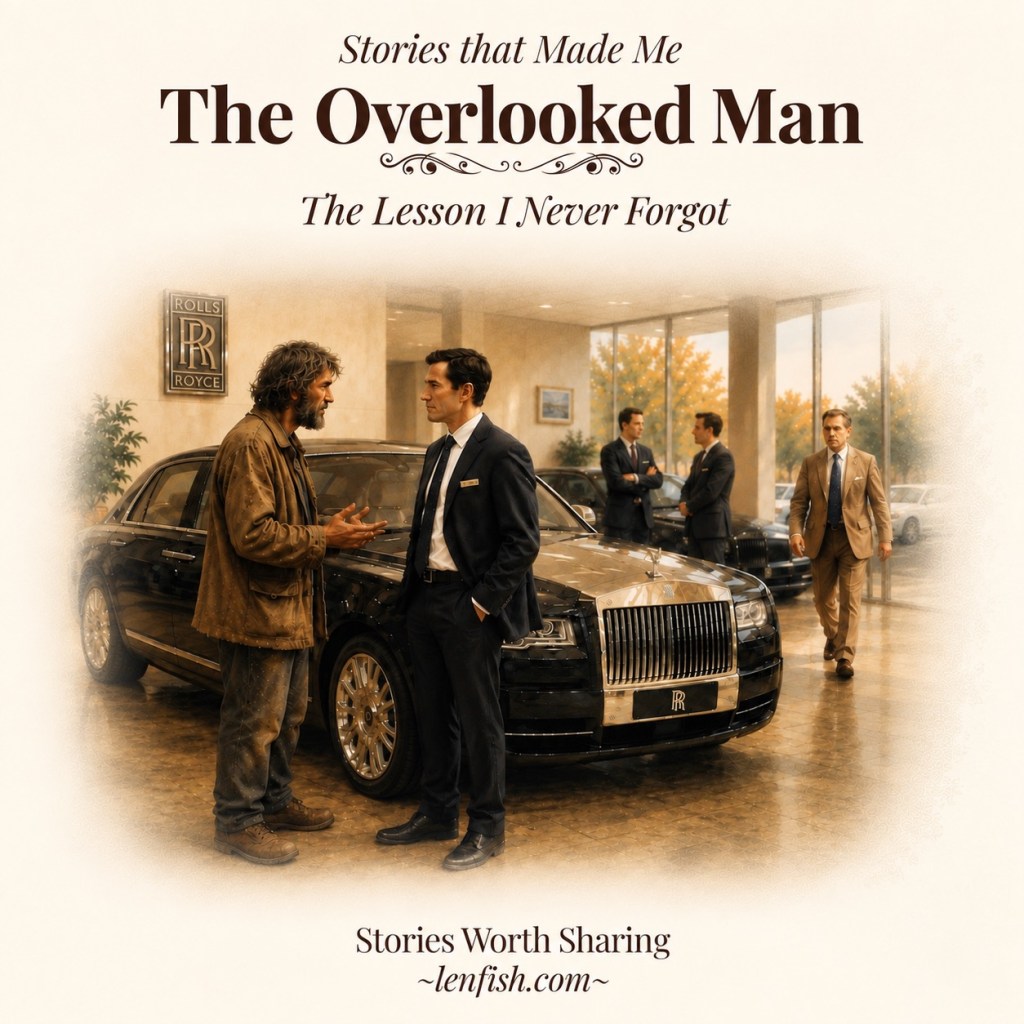
My dad told me a story years ago that I’ve never forgotten. At the time, he was a teacher at East High School in Salt Lake City, Utah. One of his former students, Mike, owned a car dealership that specialized in high-end automobiles. One day my dad stopped by to say hello and, during their visit, asked, “Mike, tell me one of your most interesting stories from the dealership.”
Mike smiled and began telling him about a customer who had walked through the front doors only a few months earlier. The man looked like he had fallen on hard times. It wasn’t unusual for homeless men and women to wander into the showroom during the winter just to warm up for a while, and this man spent most of his time looking at the Rolls-Royce automobiles.
There is something tempting about looking at an old rule, tradition, or way of doing things and thinking, “We don’t need this anymore.” Sometimes we’re right. The world changes, circumstances change, and ideas that once made sense can outlive their usefulness. But before we tear down the fence, there is one important question worth asking: Why was it built in the first place?
For many years, I wondered why people could look at the same act of kindness and respond so differently. One person would light up over a thoughtful gift. Another barely noticed the gift but treasured an afternoon spent together. Some people seemed to remember every compliment they had ever received, while others never forgot a hug when they needed one most. At the time, I didn’t understand why.
Years later, I picked up Gary Chapman’s book The Five Love Languages. As I read, something unexpected happened. It wasn’t just another relationship book. Faces began filling my mind. I realized I had been seeing these love languages my entire life without recognizing them.
When I was in first grade, I was a slow learner. Watching the other kids in my class grasp concepts quickly while I struggled was painful. At our school, we read Sam and Ann books. I was stuck in book 2 while many of my classmates had advanced to book 10. The smartest kid in the class was already in book 13. I was amazed that anyone could be so far ahead of the rest of us.
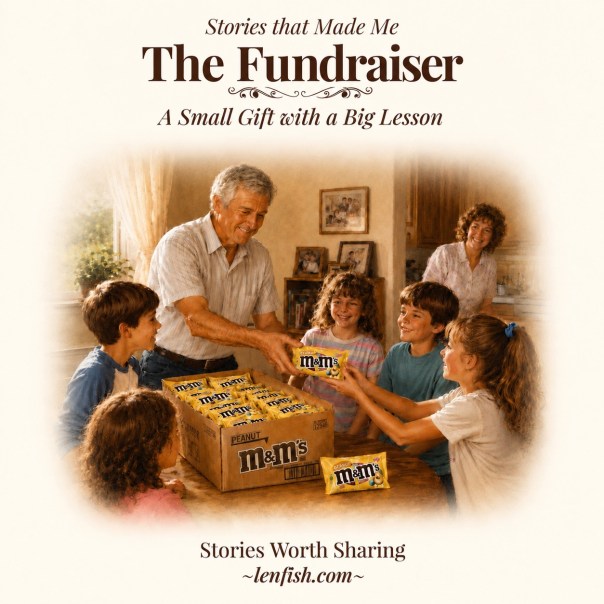
Every time a child moved up to the next book level, they were rewarded with a piece of candy. The day finally came when I advanced to book 3. I was thrilled! My teacher was proud of me too. She reached into her desk to give me a piece of candy but found that she didn’t have any left. After searching, she found a stick of gum instead. She handed it to me and said, “Leonard, I’ll give you this gum if you promise not to chew it until you get home.” I eagerly agreed.
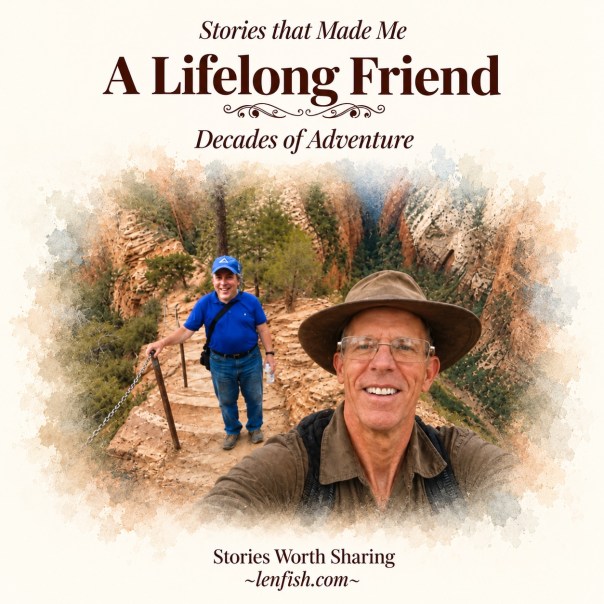
I have been very blessed to have good friends in my life. I don’t need a lot of friends, but the friends I have are wonderful. One person in particular is Ernie. I have known him for most of my life.
I remember a kind older couple who loved my parents, John and Nome Mackaleash. They were probably in their 60s and often stopped by our home while traveling back from Canada, where they sold clothing.
My parents seemed to attract all kinds of interesting people who eventually found their way to our house. My mom would feed them, welcome them in, and make everyone feel loved. Looking back, that may have been one of the greatest gifts she gave us.
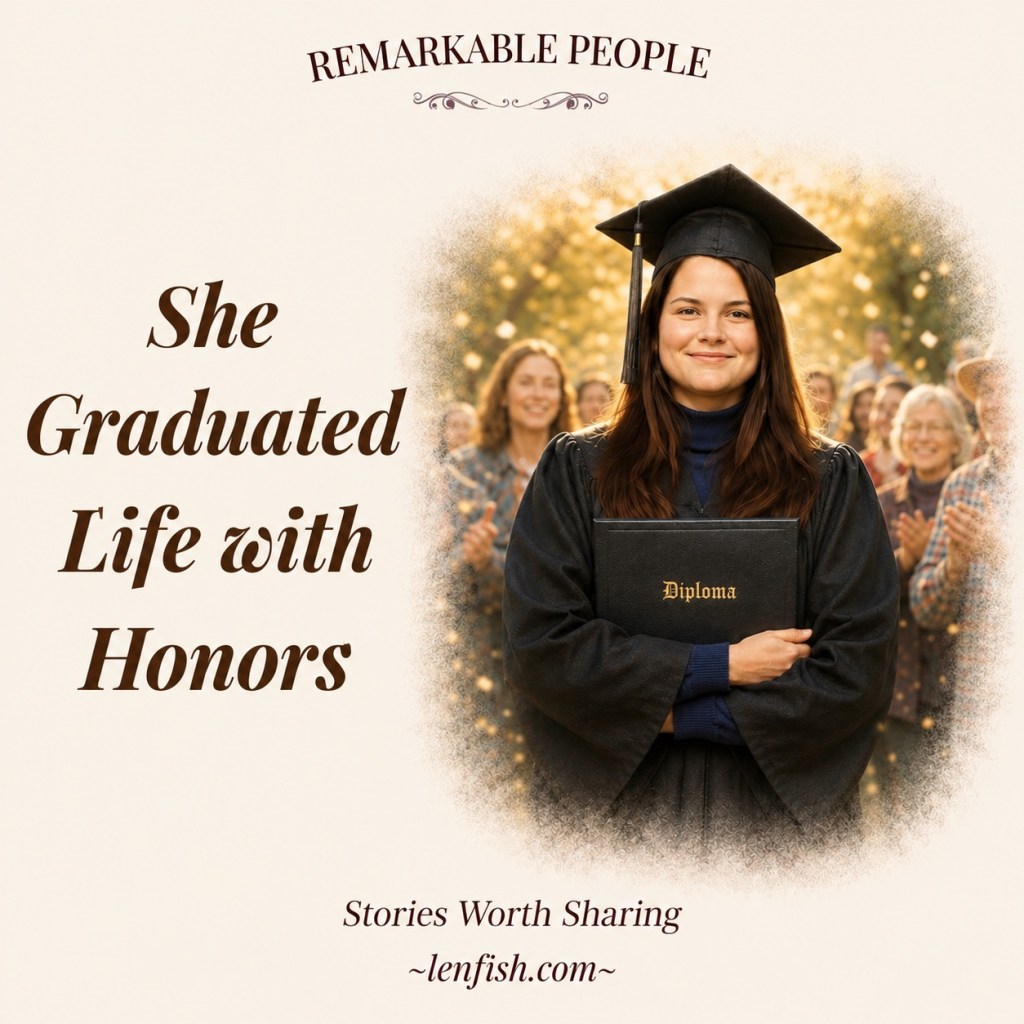
This student had more guts and determination than most. She was in her early twenties, but she had leukemia, which at the time was in remission. She always wore a scarf on her head because she had lost her hair during chemotherapy treatments.
Despite everything she was facing, she had a cheerful attitude. She was responsible, prepared, and determined to continue with her education. She missed only a couple of classes because of her illness and never expected special treatment. In fact, some of the other students were not even aware of her condition.
Most of us like to believe that good intentions lead to good results. We make a decision, solve a problem, or change a rule because we believe something better will follow. Sometimes it does. But life has a way of reminding us that actions can travel much farther than we expect.
That is the idea behind the law of unintended consequences. A decision meant to help can create a new problem somewhere else. A shortcut can save time today but create twice the work tomorrow. A rule designed to prevent one bad outcome can discourage something good. Even an act of kindness can occasionally have consequences we never imagined.
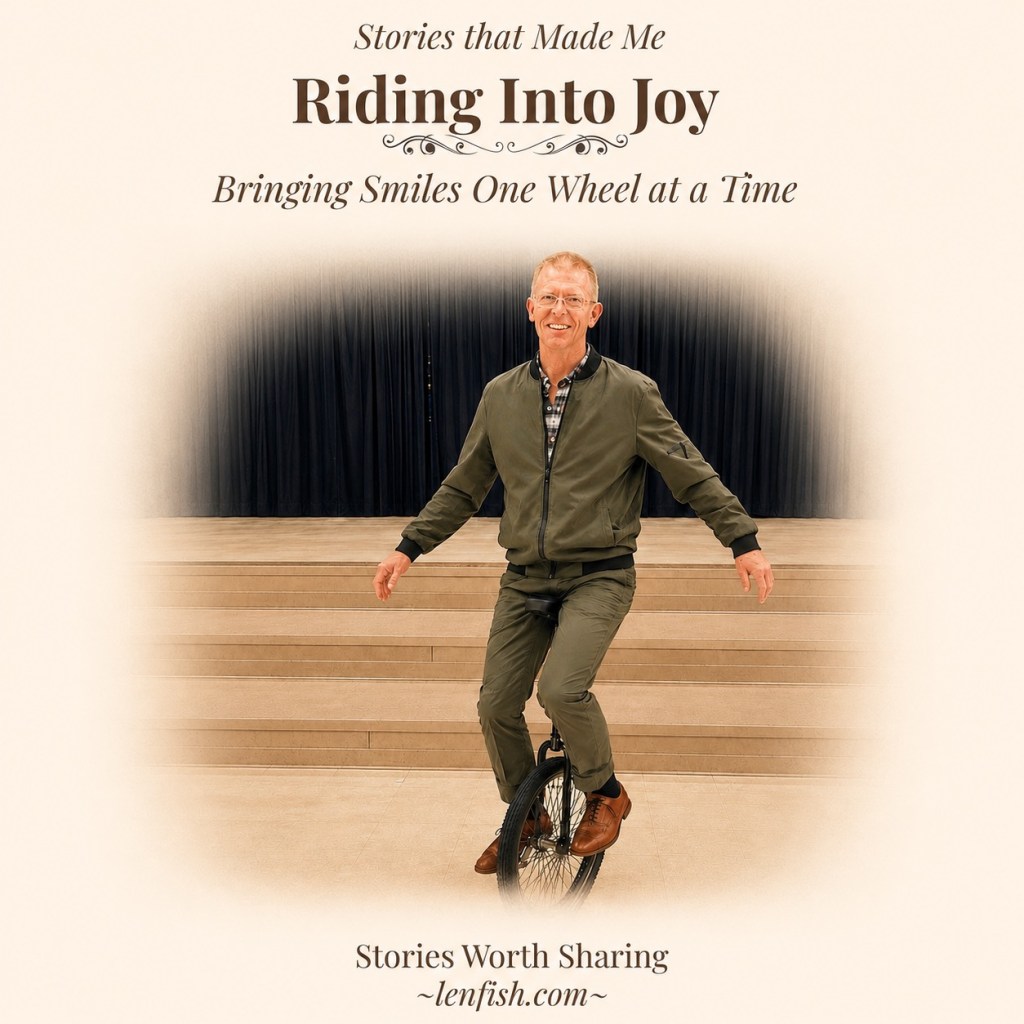
Unicycles have fascinated me since I was a child. I vividly remember an elementary school assembly featuring performers on unicycles—some with tiny wheels and others towering 8 feet tall. Their skill and balance amazed me, sparking a fascination that stayed with me throughout my life.