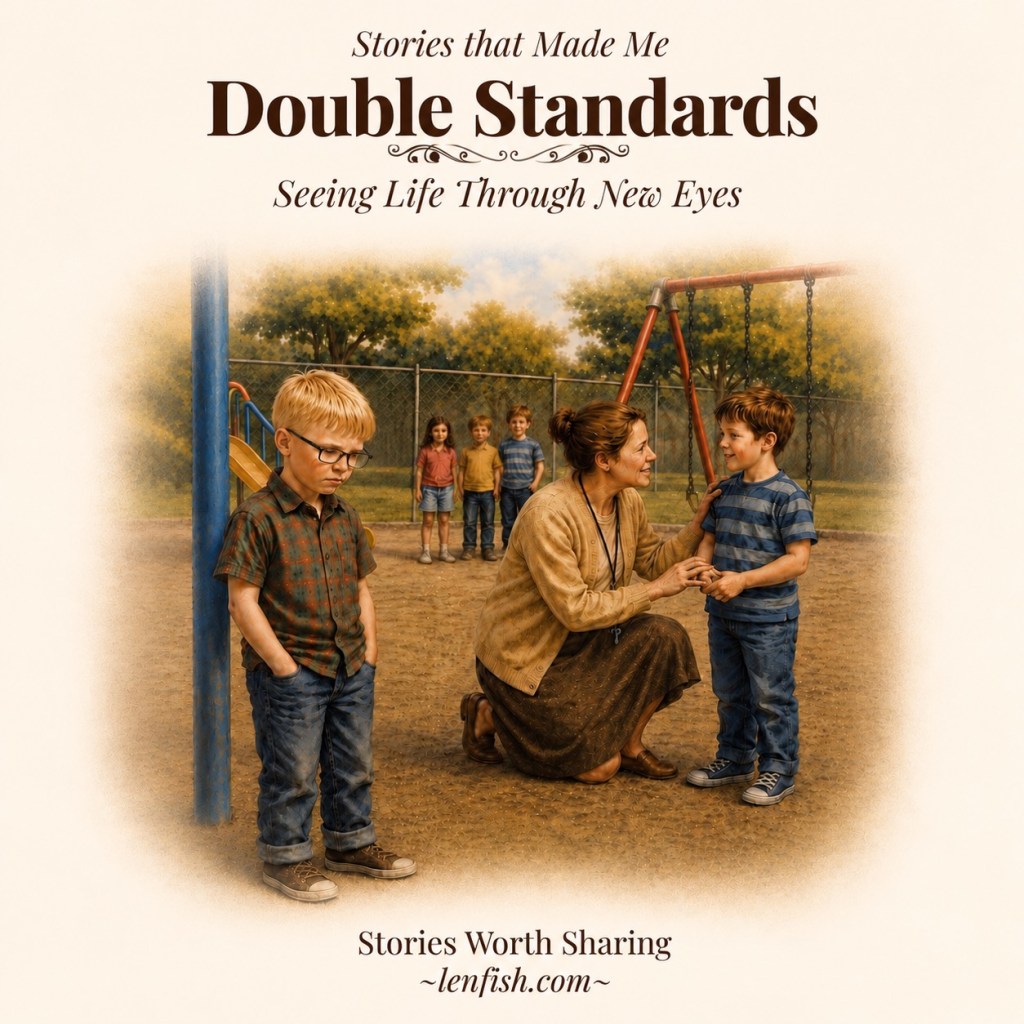
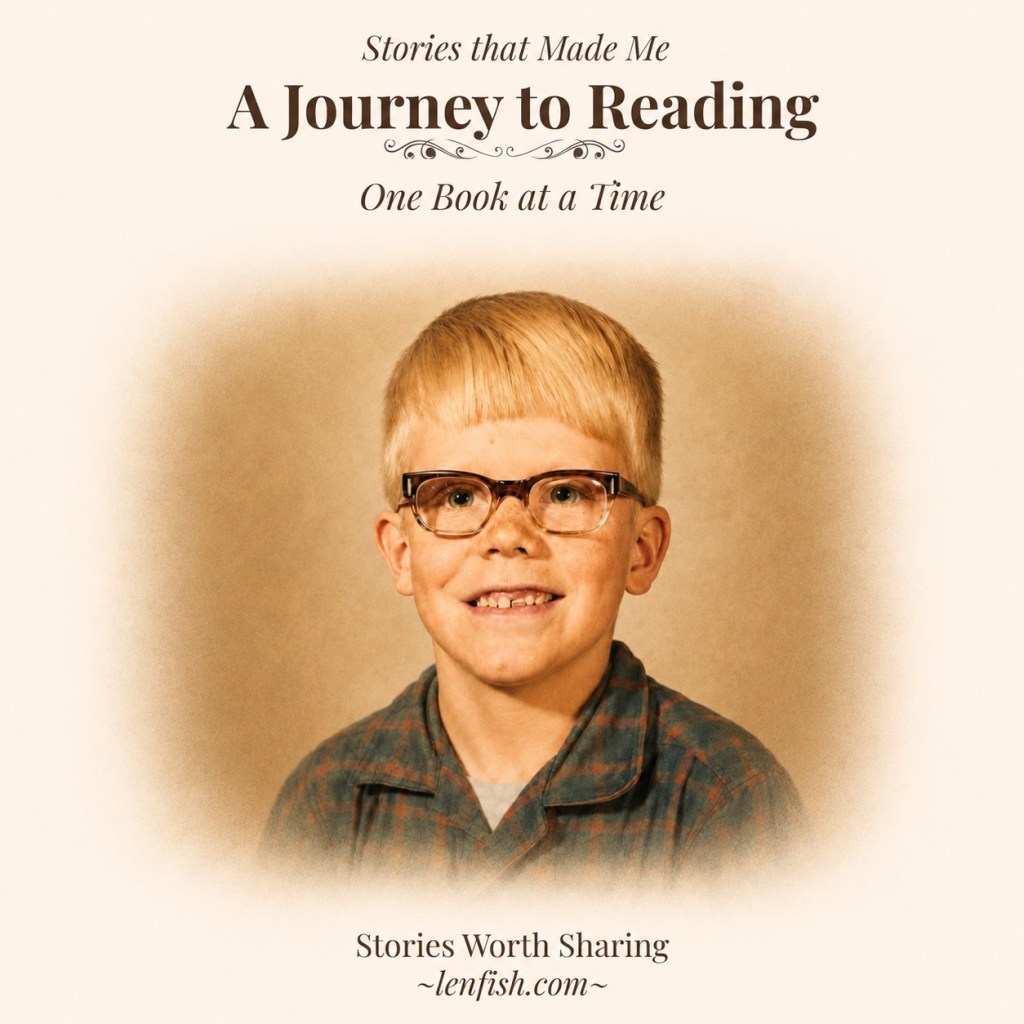
When I was in first grade, I was a slow learner. Watching the other kids in my class grasp concepts quickly while I struggled was painful. At our school, we read Sam and Ann books. I was stuck in book 2 while many of my classmates had advanced to book 10. The smartest kid in the class was already in book 13. I was amazed that anyone could be so far ahead of the rest of us.
Every time a child moved up to the next book level, they were rewarded with a piece of candy. The day finally came when I advanced to book 3. I was thrilled! My teacher was proud of me too. She reached into her desk to give me a piece of candy but found that she didn’t have any left. After searching, she found a stick of gum instead. She handed it to me and said, “Leonard, I’ll give you this gum if you promise not to chew it until you get home.” I eagerly agreed.
I remember a kind older couple who loved my parents, John and Nome Mackaleash. They were probably in their 60s and often stopped by our home while traveling back from Canada, where they sold clothing.
My parents seemed to attract all kinds of interesting people who eventually found their way to our house. My mom would feed them, welcome them in, and make everyone feel loved. Looking back, that may have been one of the greatest gifts she gave us.
Most of us like to believe that good intentions lead to good results. We make a decision, solve a problem, or change a rule because we believe something better will follow. Sometimes it does. But life has a way of reminding us that actions can travel much farther than we expect.
That is the idea behind the law of unintended consequences. A decision meant to help can create a new problem somewhere else. A shortcut can save time today but create twice the work tomorrow. A rule designed to prevent one bad outcome can discourage something good. Even an act of kindness can occasionally have consequences we never imagined.
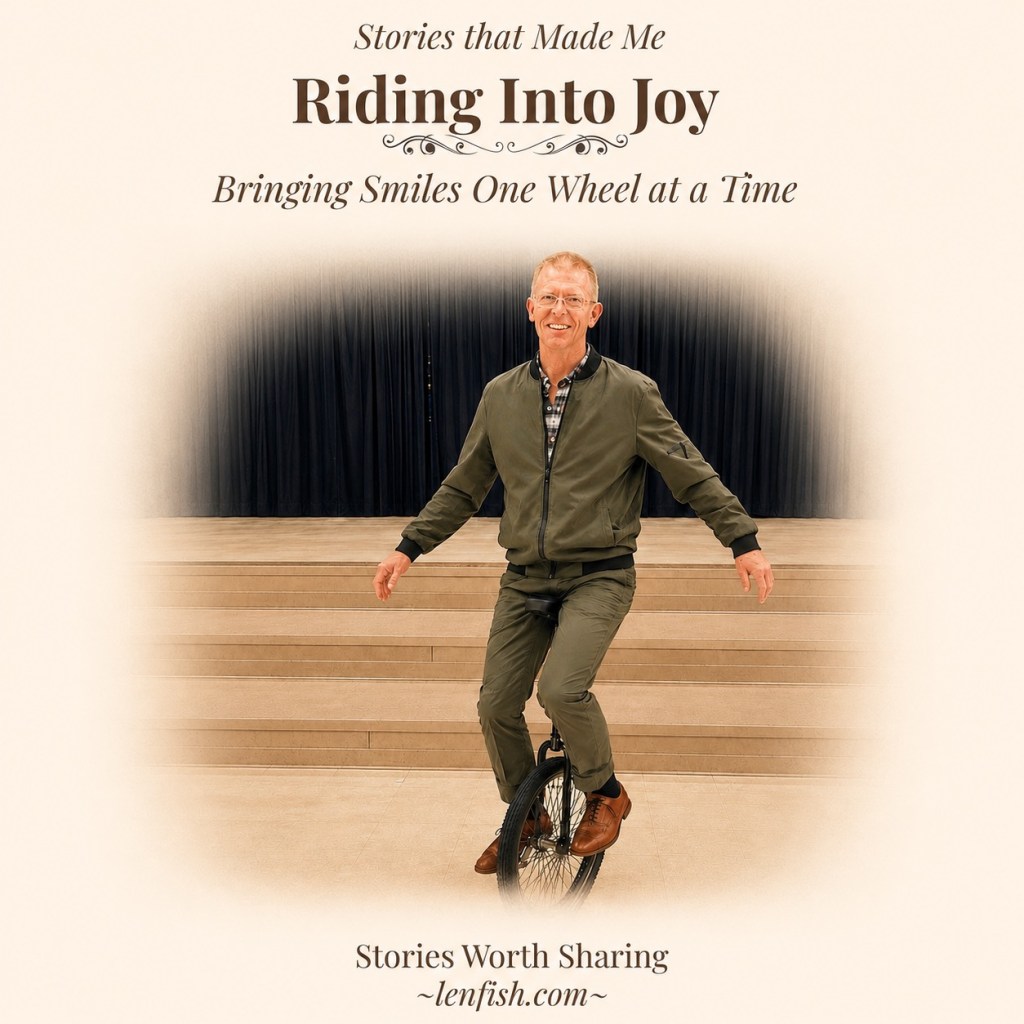
Unicycles have fascinated me since I was a child. I vividly remember an elementary school assembly featuring performers on unicycles—some with tiny wheels and others towering 8 feet tall. Their skill and balance amazed me, sparking a fascination that stayed with me throughout my life.
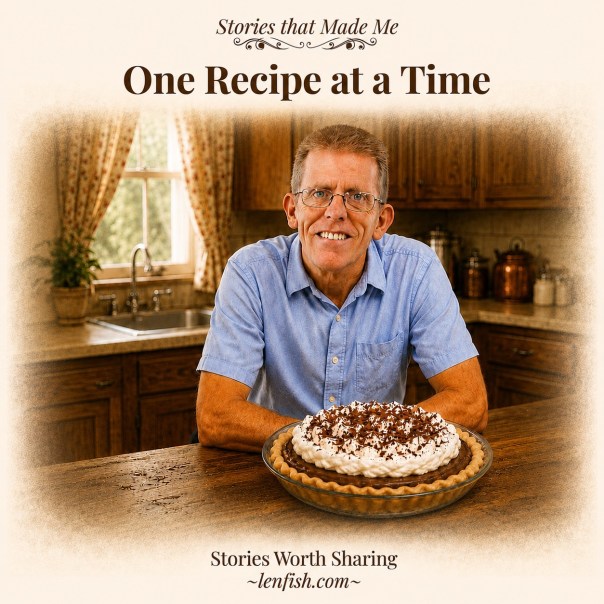
When I was eleven, I decided I wanted to make a homemade chocolate cream pie all by myself. My mom handed me the recipe and said, “I’ll be in my bedroom if you need me.” She later admitted that she would have gone crazy watching me cook since I was just learning.
I followed the recipe—or so I thought. It called for three tablespoons of cornstarch, but instead, I added three tablespoons of baking soda. When the instructions said to “bring to a boil,” I couldn’t understand why the pie filling foamed wildly over the top of the pan. Frustrated and confused, I called my mom into the kitchen for help.
The moment she entered the kitchen, she quickly grabbed a second pan and began pouring part of the pie filling into it to manage the overflow. But the filling kept growing. The kitchen was in chaos.
That’s when my mom started questioning what ingredients I had added. She carefully went down the list on the recipe card with me. When we reached the cornstarch, I proudly pointed to the baking soda container and said, “I added cornstarch!”
My mom gave me a look of disbelief and calmly explained that I had added the wrong ingredient. “This pie filling is no good,” she said. “When you thought you were adding cornstarch, you were adding baking soda.”
That was when I learned an important lesson: You can do everything else just right, but one wrong move can still turn everything into a big disaster.
Years later, when I was eighteen, I had the opportunity to work at two different places that made pies. These jobs gave me hands-on experience and introduced me to new techniques. I learned how to perfect pie crusts, balance flavors, and create smooth fillings. One Thanksgiving season, I spent 18 hours in a single Saturday making pies at Marie Callender’s. It was exhausting but rewarding, and I came to truly appreciate the art of pie-making. I’m incredibly thankful for the training I received during that time, as it helped shape my confidence and skills in the kitchen.
Over the years, I’ve found myself teaching women’s groups how to create the perfect pie crust and fillings that are both delicious and memorable. What started as a childhood failure became a stepping stone to success in baking. My early mistakes in the kitchen were frustrating at the time, but they ultimately paved the way for me to become better at something I love.
I’ve discovered that asking questions and admitting what you don’t know are key to learning and growth. Acting like you know it all only holds you back. I’m constantly finding new ways to improve, whether it’s perfecting a pie or addressing other challenges in life. Learning what works—and what doesn’t—has become one of my greatest joys.
In cooking and in life, every failure can teach us something. Mistakes may seem discouraging in the moment, but they can become stepping stones to something better. I certainly didn’t know it at eleven years old, standing in a kitchen with chocolate pie filling foaming out of control, but that disaster was teaching me how to learn.
When I was a small child, I struggled immensely with my ability to read. I was born with a lazy eye and astigmatism, which meant that for the first four years of my life, I wandered around half-blind. When I finally got glasses, it felt like a whole new world opened up to me. However, while I could now see clearly, I was developmentally behind my peers in many ways, including reading.
I was talking to my brother Wes while waiting for my daughter Jessie and my wife Cassie to land at the airport. They were returning from visiting family in Texas. I asked Wes how his life path might have been different if he had not decided to go to the high school where our dad taught.
For years, my dad was a math teacher at East High School in Salt Lake City, Utah. A few of my siblings struggled at the high school near our home. My parents asked if they wanted a fresh start at a different high school, and they eagerly agreed.
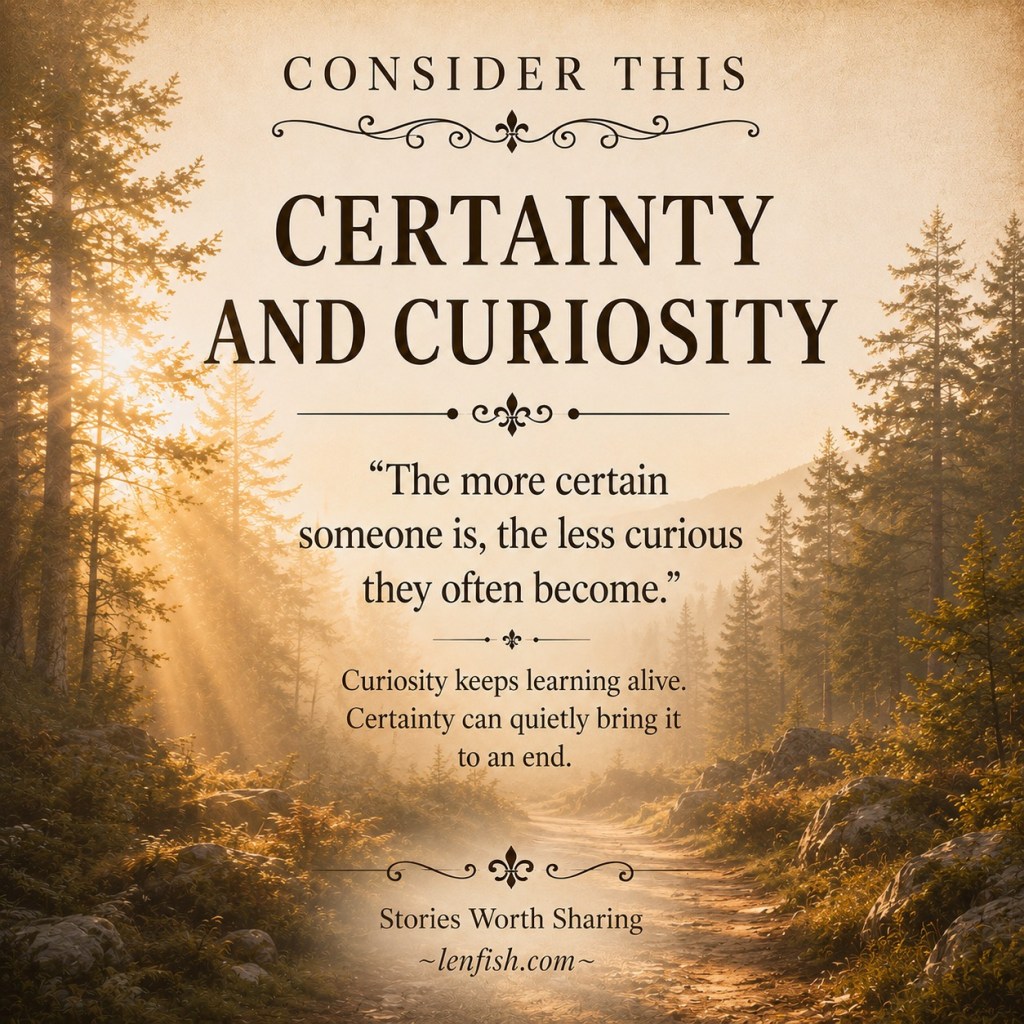
There is comfort in being certain. Certainty gives us solid ground. It tells us where we stand, what we believe, and how we understand the world. But certainty can also become a quiet stopping place. Once we are convinced that we already know the answer, we often stop asking the questions that might teach us something new.
Curiosity works differently. Curiosity doesn’t require us to abandon what we believe. It simply leaves the door open. It allows us to say, “This is what I believe today, but what else might I learn?” That small question can change the way we see people, ideas, and even ourselves.